Undergraduate
Bachelor's degrees commonly run over four years, with some professional programmes taking longer.


Study in China
Explore undergraduate and postgraduate study options at Chinese universities, including English-taught degrees in medicine, engineering and business.
Why Study Here
Large, research-active universities and English-taught programmes across major cities.
China
Move to explore the journey
Bachelor's degrees commonly run over four years, with some professional programmes taking longer.
Master's programmes, many offered in English, across science, engineering, business and social sciences.
Doctoral study supervised within university laboratories and research institutes.
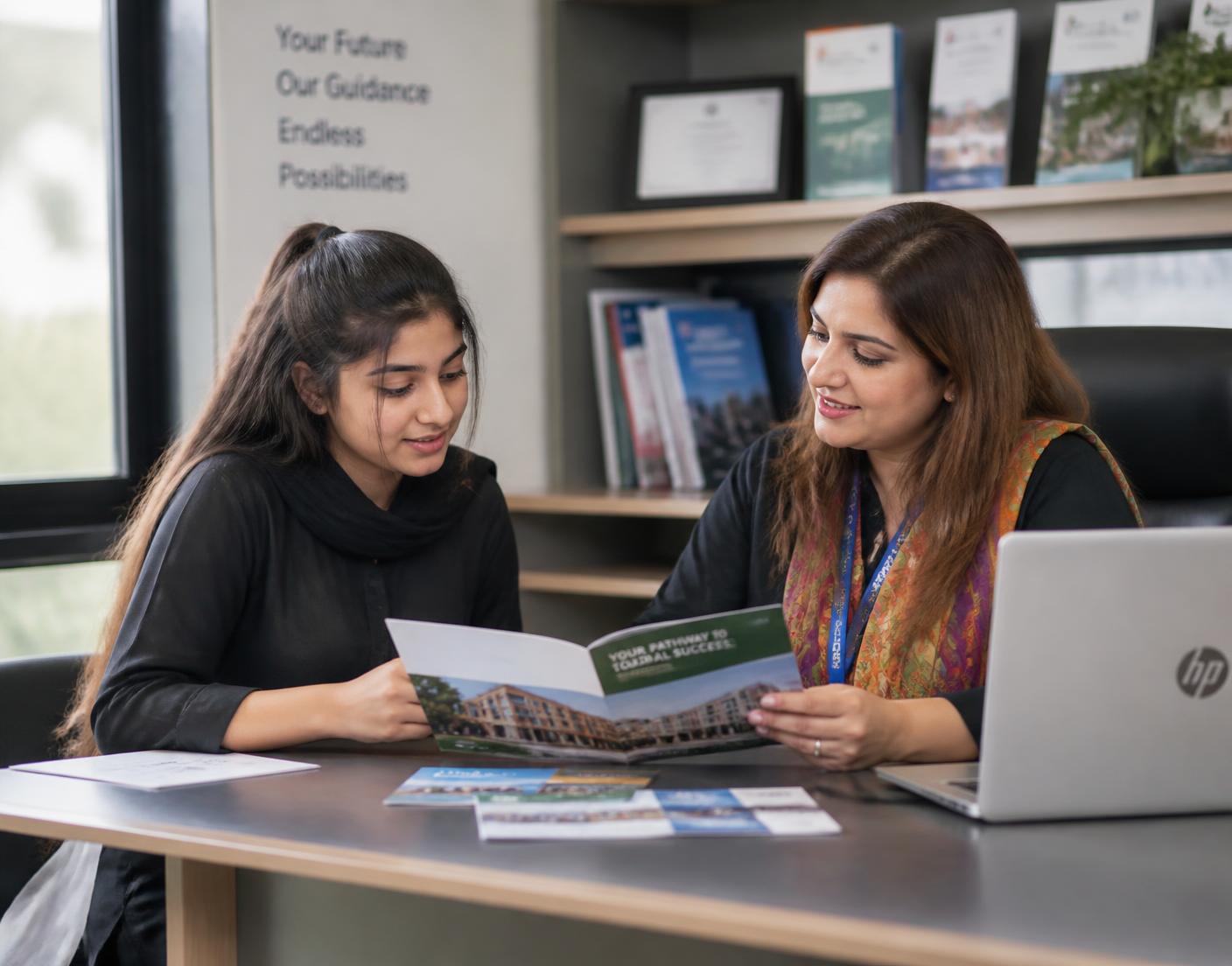
Personal Counselling
A counselling conversation helps connect your academic background, budget and preferred intake with realistic course and university options. We explain the requirements clearly so you can make an informed decision.
Office hours: Monday – Saturday, 10:00 AM – 7:00 PM (Sunday closed).
Chat with a counsellor on WhatsApp during office hours.
Start WhatsApp ChatSubject Areas
Understanding Intakes
Chinese universities most commonly recruit for a September intake, with some programmes offering a spring intake. Exact dates vary by institution.
Scholarship Guidance
Government, provincial and university scholarships are published each year, with eligibility and coverage set by the awarding body.
Student Life Overview
Universities in cities such as Beijing, Shanghai and Guangzhou host growing international communities, with on-campus housing commonly available.
Application Journey
The same structured route applies to every destination, with requirements adjusted to the institution.
Step 01
Review your qualifications, subject goals, preferred intake and destination requirements.
Step 02
Compare suitable programmes, published entry criteria, locations and application deadlines.
Step 03
Build a realistic view of tuition, living costs, deposits, travel and possible scholarships using current official sources.
Step 04
Prepare transcripts, certificates, passport, references, English test evidence and any programme-specific documents.
Step 05
Complete each university form carefully and shape an authentic personal statement or SOP in your own words.
Step 06
Submit before the deadline, track responses and understand any conditions attached to an offer.
Step 07
Follow the destination's current official visa process and organise the required financial and supporting evidence.
Step 08
Plan housing, travel, insurance, arrival documents and practical preparations before classes begin.
FAQ
Tuition fees, immigration rules, post-study work conditions and scholarship values are set by institutions and government authorities and can change. We deliberately do not publish those figures here. For anything decision-critical, contact us at info@febge.com and we will point you to the current official source.
Share your academic background and we will explain how your profile fits this destination.